Overview
Saulius Leonawicius Invites
Sam Curtis, Tom Cardew, Jez Dolan, Lewis Graham, Joanne Masding, Daniel Pryde-Jarman, Paul Vivian, James Winnet, Ana Mastretta, Melina Merlin
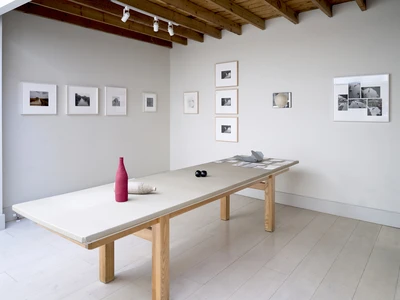
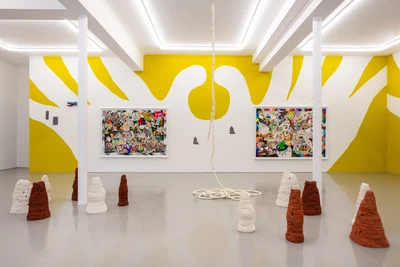
is a group exhibition centred around a solo presentation by Saulius Leonawicius. The exhibition presents new work produced in the artist’s Vilnius studio, including Earth Helmets (2026), sculptural objects made from soil gathered at ancient ceremonial sites in war-torn Ukraine.
Part pilgrimage, part trespass, Leonawicius travels into the interior of Ukraine to visit locations of historical and cultural significance. Along this journey, he collects fragments and detritus shaped by the ongoing conflict, tracing the entanglement of deep history with the present-day violence of Russian aggression.
The exhibition also unfolds through a series of public events, including The Ostalgie Reading Group, a reading performance by Joanne Masding, and an artist talk titled OLD EUROPE 2.0. co-presented, curated with Pallet Show, Daniel Pryde-Jarman.
OLD EUROPE 2.0 draws on the historical framework of Marija Gimbutienė’s theories of a peaceful, egalitarian, pre-Indo-European society. By juxtaposing this vision of past social organisation with contemporary anxieties shaped by geopolitical instability, the project opens a space for reflection. In a time marked by war and uncertainty, Leonawicius proposes a moment of retreat, an opportunity to reconsider cultural memory and future possibility.
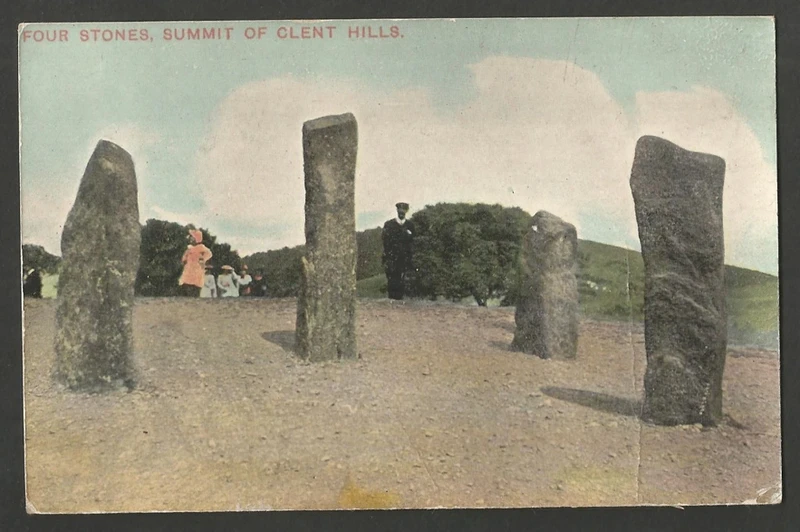
As part of this programme, seven invited artists present works and artefacts engaging with ancient histories, folklore, Neolithic culture, and ritual practices. These contributions expand the exhibition into a collective inquiry.
Rather than treating Gimbutienė’s research as a static historical artefact, the project reimagines it as a living ideological diagram. By projecting this model of a peaceful, matriarchal society onto the present, the exhibition asks whether such imaginaries might offer resources for meaningful cultural and ideological transformation today.