menu
Exhibition

A circle of fine cardboard and a chance to see a tassel

16 May-27 Jun 2026
PV 16 May 2026, 3-6pm

Arcade
London SE15 1TW

Overview

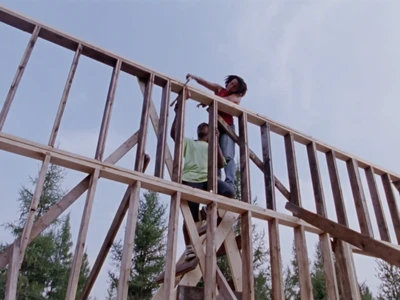
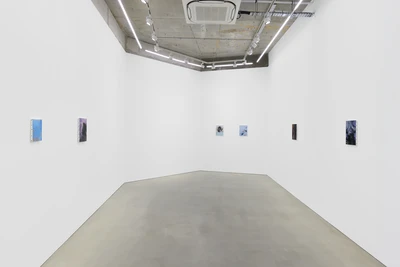
This exhibition brings together three practices that treat the gallery as a site to be physically engaged, inhabited, and reconfigured. Across distinct yet adjoining presentations, works by Anna Barham, Peggy Franck, and Alessandra Spranzi unfold through gesture, material improvisation, and circulation, allowing architecture, movement, and duration to shape how meaning is produced.

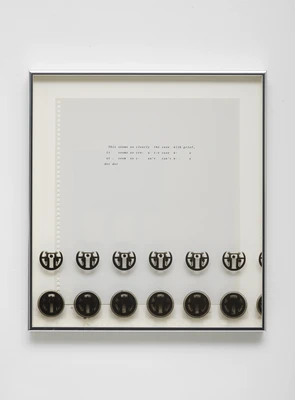
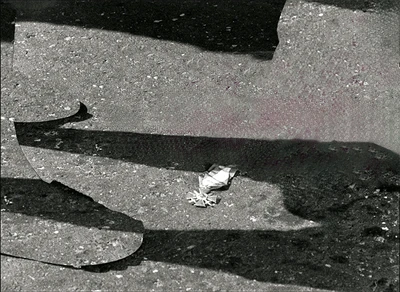
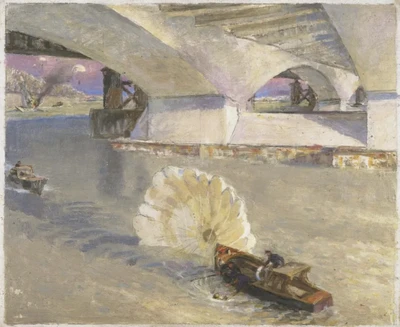
Barham and Franck share an interest in how images, materials, and fragments move between formats and scales. Printed matter, found pages, and everyday materials appear within both practices, as elements within broader spatial compositions. Framed works derived from book pages are presented alongside gestures that extend beyond the frame, allowing images to participate in a wider architectural field.

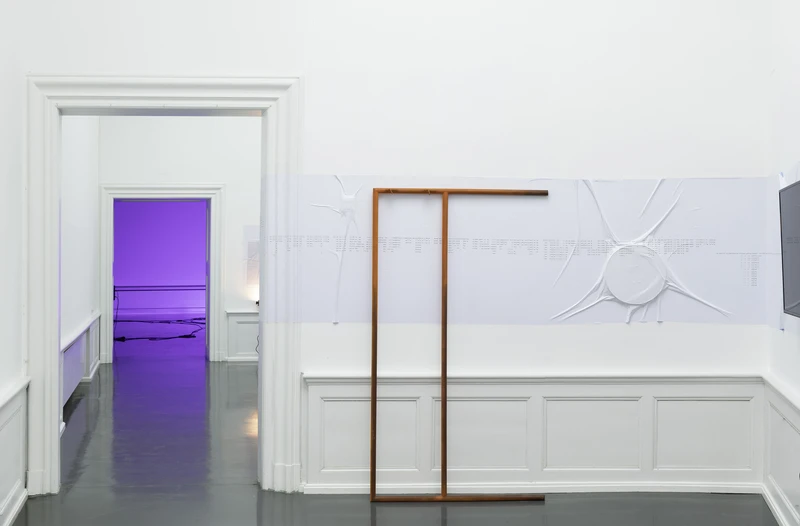
Barham’s practice emerges from language, transcription, and digital systems, yet repeatedly insists on their material consequences. Text is stretched, reordered, and fragmented across surfaces, disrupted by fixtures, cables, and objects associated with everyday technological use. Architecture becomes a structuring force that redirects meaning, while the viewer’s movement through space generates new readings. Language here is not fixed or transparent but something unstable and contingent, shaped by software, bodies, and the spaces they occupy.

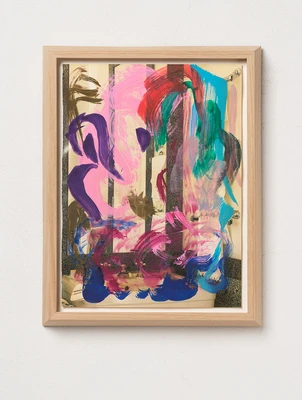
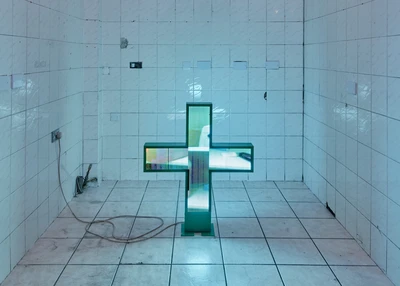
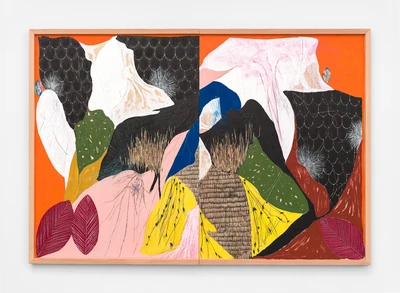
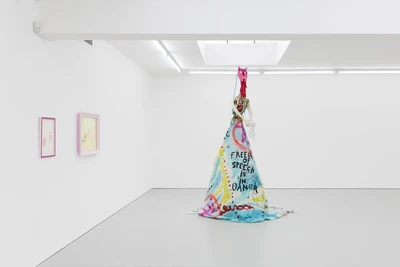
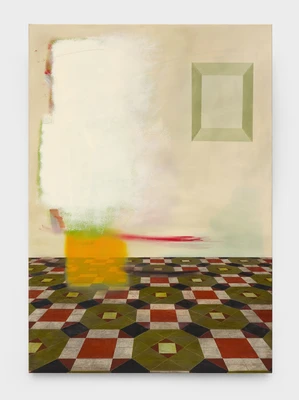
Franck’s work similarly expands painting beyond a single support. Alongside framed paintings made on pages drawn from books and magazines, she develops sculptural assemblages composed of humble or found materials; aluminium sheets, fabric, lamps, cables, plastic, foam, and paper. These elements accumulate and interact within the gallery, forming installations in which painting, photography, and object-making operate as parts of a larger spatial composition.

While their materials and processes differ, both artists share an attentiveness to how overlooked or residual materials can be elevated through careful placement and sustained engagement. In each case, the gallery functions less as a site of display than one of negotiation: a place where gestures accumulate, interact with architecture, and remain visibly unresolved.

In a third zone, Alessandra Spranzi’s contribution is presented through Pete and Repeat, Arcade’s project platform for exploring alternative modes of distribution and encounter. While Spranzi’s practice is rooted in photography, the printed book holds equal weight to the gallery exhibition. Rather than functioning as documentation, the book operates as a parallel narrative structure, allowing images to unfold sequentially and to be handled, revisited, and encountered over time.

Within this context, distribution can be understood as an architectural gesture. Circulation becomes another way of constructing space, establishing rhythms and conditions of attention that extend the exhibition beyond its physical boundaries. For Spranzi, the book and the exhibition do different kinds of work, yet neither is privileged over the other; each offers a distinct but equally weighted framework for encounter.

This understanding informs the gallery’s open, non-hierarchical layout. Practices are not separated by medium or status but allowed to coexist within a permeable space. Pete and Repeat runs alongside Barham and Franck’s spatial interventions as another way of organising experience, foregrounding access, repetition, and distribution as integral to artistic practice.

Taken together, the exhibition proposes space, gesture, and distribution as shared coordinates rather than a single unifying theme. Each presentation remains autonomous yet connected, with meaning produced through proximity, movement, and repeated encounter; across images, objects, pages, and the spaces in between.

Selected works