Overview
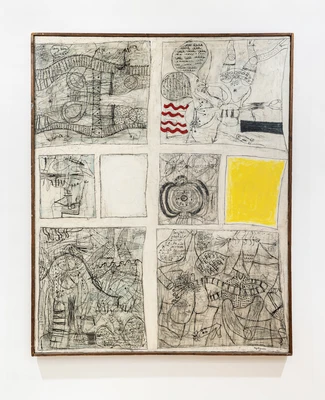
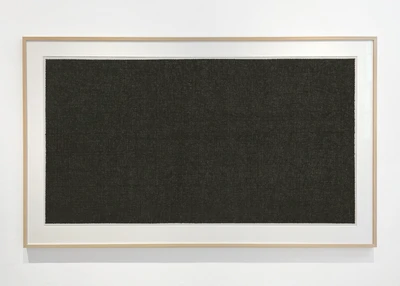
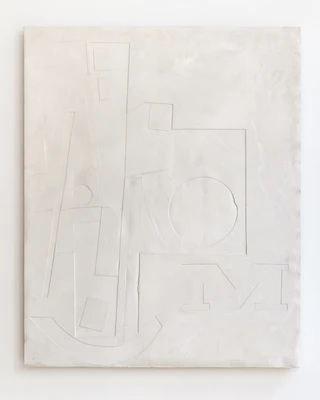
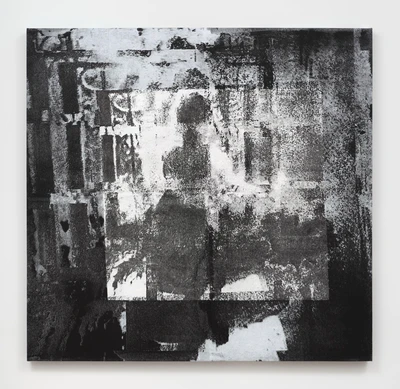
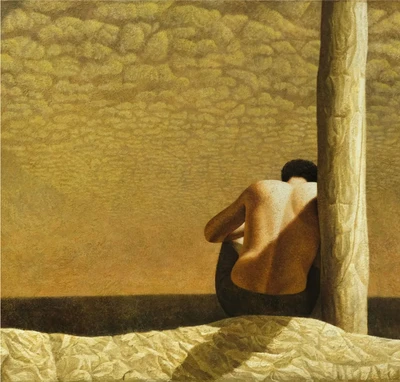
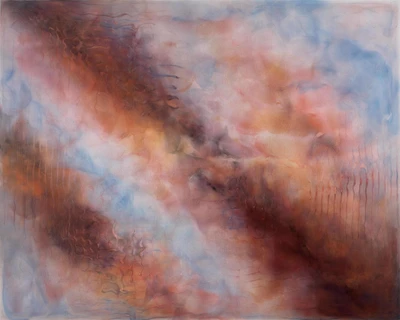
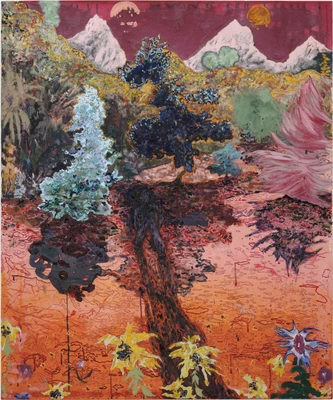
The Mayor Gallery is pleased to present Celebrating 100 Years – Part 3: Asia and Central Europe, the final instalment in its three-part exhibition series marking the gallery’s centenary. This exhibition brings together artists from Central Europe and Asia whose practices, often developed under conditions of political constraint, cultural transition, and rapid modernisation, redefined abstraction, conceptualism, and material experimentation in the second half of the twentieth century.
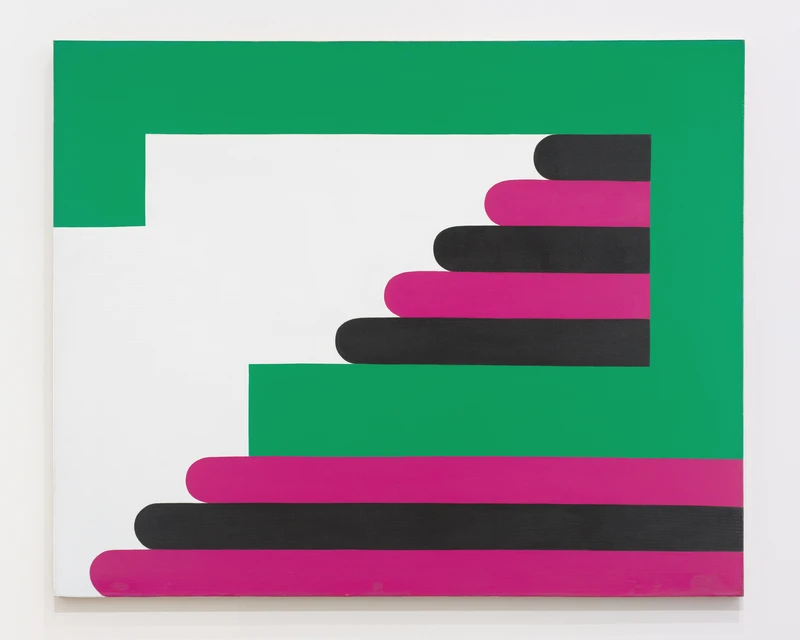
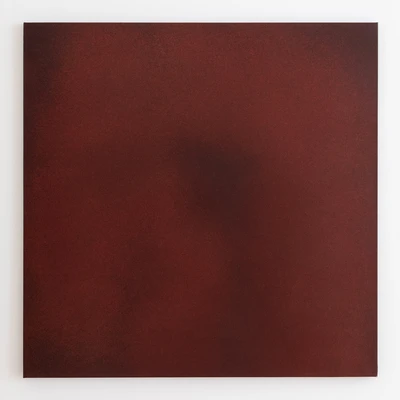
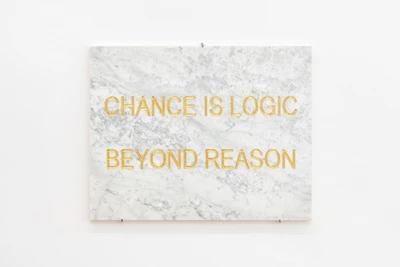
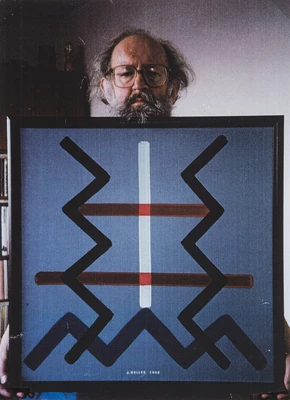
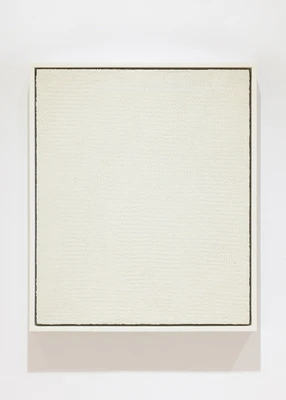
Spanning post-war to contemporary practices, the exhibition highlights how artists working across China, Hungary, Japan, Slovakia forged innovative visual languages that challenged dominant Western narratives of modernism. Figures such as Július Koller, Stano Filko, Imre Bak, Vera Molnár, and Braco Dimitrijević interrogated systems of knowledge, authorship, and everyday reality through conceptual and performative strategies, while artists including Tadaaki Kuwayama, Aiko Miyawaki, and Rakuko Naito explored space, rhythm, and material precision through reductive and meditative forms.
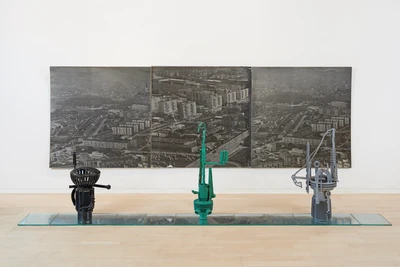
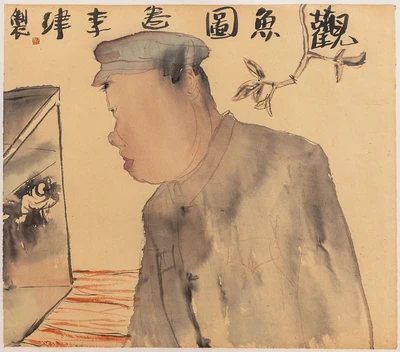
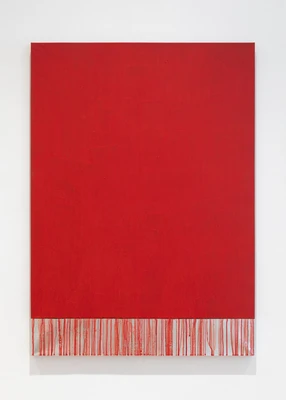
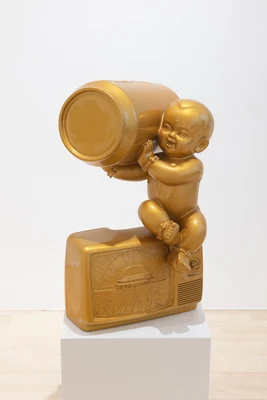
Alongside these positions, artists such as Key Hiraga, Jiang Dahai, Li Huasheng, Li Jin, and the Luo Brothers demonstrate how Asian modernism and contemporary practice engage with calligraphy, philosophy, popular culture, and political history, generating dialogues between tradition and innovation. Sculptural works by György Jovánovics and Attila Kovács further expand the exhibition’s exploration of form and meaning within socially and intellectually charged contexts.
Together, these artists reveal parallel histories of experimentation that developed beyond the traditional centres of Western Europe and North America, underscoring a global modernism shaped by exchange, resistance, and reinvention. Celebrating 100 Years – Part 3 reflects The Mayor Gallery’s long-standing commitment to championing Eastern European and Asian artists, many of whom the gallery has exhibited and supported for decades and affirms its role in expanding the canon of twentieth-century art through rigorous historical and contemporary dialogue.