Overview
STEPHEN DUNN Time Pieces 15 January – 7 March 2026
It’s now forty years since my first visit to a Stephen Dunn studio and, as you’ll see in his text, there has never been an urge to put explanations into words.
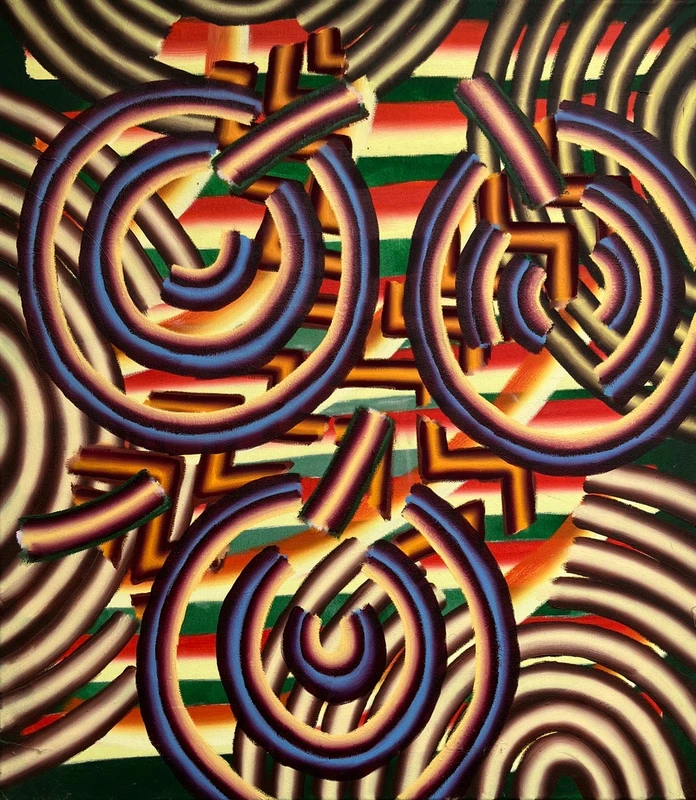
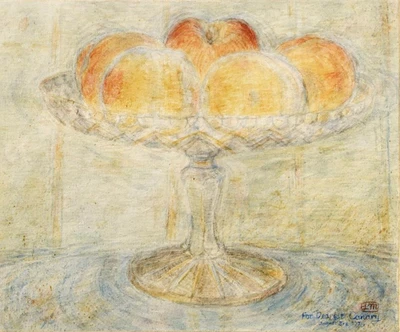
The experience remains – a sense of completeness accompanied by ‘otherness’ – what we saw in his exhibitions in the late 1980s had direct figurative vocabulary - exquisitely rendered but defying narrative.
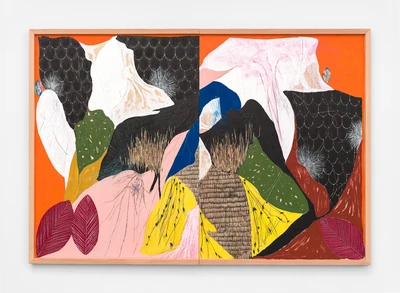
Now , on encountering these new canvases, there is an electric charge, a sense of primal energy germinated from the need to share or jointly witness expressions of ideas and memories without dictated result.
This is poetry - from a painter who has developed process and outcome over decades.
I am excited to renew our collaboration with this presentation of new paintings from Stephen’s studio. BR
Writing too much about a visual experience can sometimes have the effect of cataracts i.e. a clouding of what’s in front of you. The enclosure of anything visual in words almost acts as an obligation or as a prescription of how to see it. Richard Smith, wrote in 1952, “Words are traps that lead the non-artist into cliche thinking and conclusive evaluation.”
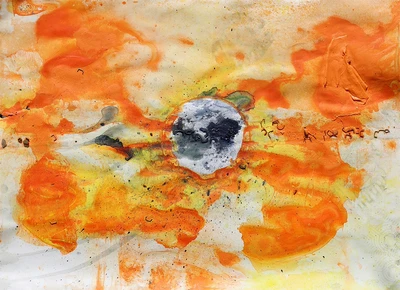
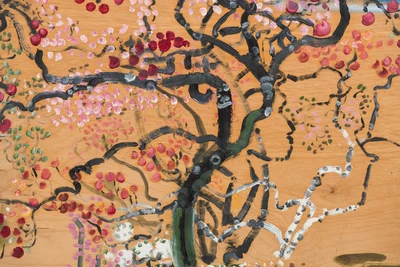
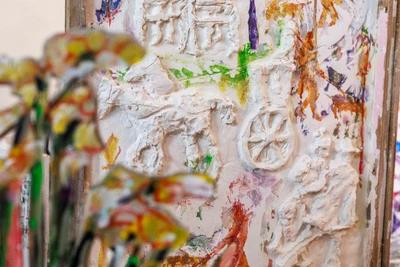
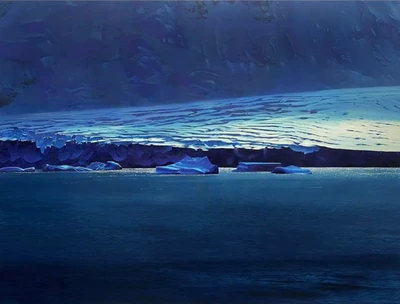
The titles should be adequate, the paintings are a collection of lines, dots, colours, shapes, marks and forms that individually and collectively simmer and survive to have their own dynamism and a life of their own.
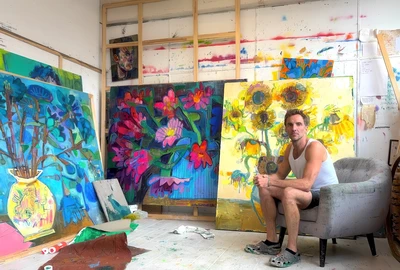
I build them and they grow, each mark is part of that building process that gathers together and moves along creating its own visual narrative. There’s a need to be excited by the possibilities and uncertainties that occur. The painting can start with some loose colours on the canvas or a title or memory that gives you the freedom to invent… It’s a performance of painting, visual thinking, left to right, front to back.
A resolved painting conveys its intention, whether it be the emotions of joy, humour, feeling, beauty or whatever else but it should explain itself. That’s when it survives on its own.
Stephen Dunn