ArchiveExhibition
16
3 Jun-25 Jul 2026
Soft Opening
London E2 9EH
Aidan Duffy
Tohé Commaret
Peter Gallo
Louis Blue Newby
Hanna Rochereau
Valentina Vaccarella
Masaomi Yasunaga
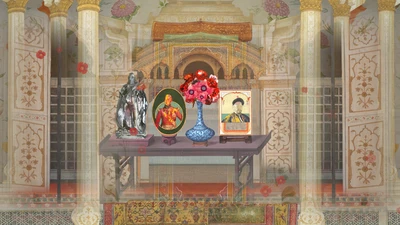
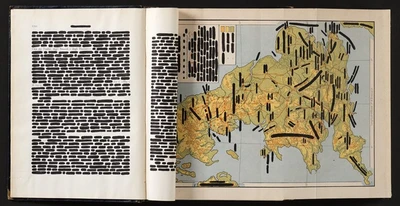
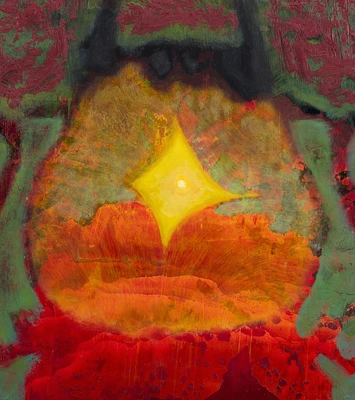
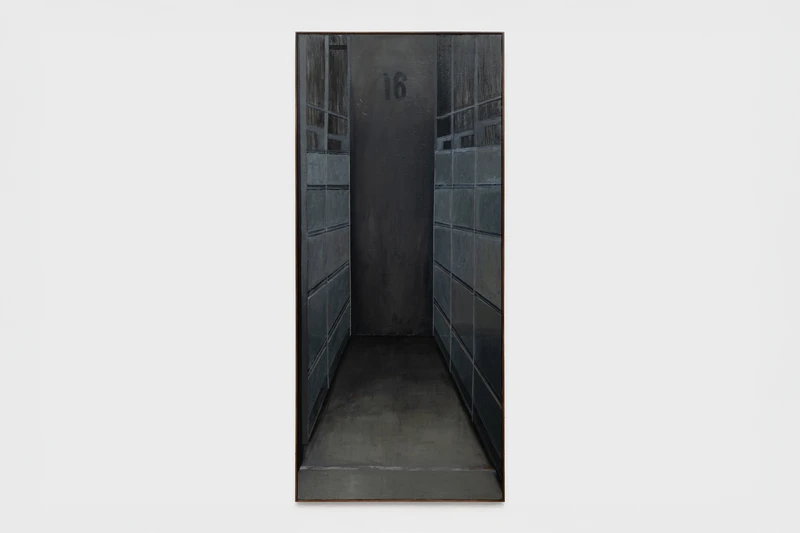
16 brings together a group of works that consider the material and social conditions of fragmentation. The exhibition is titled after Hanna Rochereau’s imposing painting 16, which alongside a new sculptural installation, brings together research into both the archive and retail display as sites purposed for the containment of fragmentary data. In Rochereau’s work, as for Peter Gallo, Aidan Duffy and Masaomi Yasunaga, the structural logic of fragmentation becomes a (dis)organising principle. Meticulously cut-and-pasted words from discarded newspaper stories disassemble and reconnect in Gallo’s discordant compositions, which emerge from and disrupt an engagement with the discipline of the grid. In much of Gallo’s work, literary sources translate into visual form, with these decontextualised pieces of text repurposed to interrupt and subvert systems of control. By contrast, Duffy collects and converges discarded items sourced on the street, in charity shops or at markets to reveal what the artist refers to as “the psychodramas invested in objects”. These constructions, somehow at once recognisable and unfamiliar, offer the artist a rhizomatic, decentralised approach to organising and interpreting the strangeness of our physical and immaterial surroundings. Via a similar non-hierarchical method of aggregating material into form, Yasunaga’s elaborate vessels are fired without clay, instead using rocks, silver leaf, copper and minerals combined with glazes to manifest otherworldly sculptural forms. Elsewhere, an excerpt from Tohé Commaret’s new film, which traces the intuitive connection between a group of women sex workers who communicate in different languages, is displayed within an empty bottle of her mother’s perfume. In Valentina Vaccarella’s work, the artist punctures holes into her largely monochromatic canvases to outline the form of celebrity autographs. Arranged erratically across the painting, these now largely unreadable scripts examine the rupture between genuine and fantasy persona so increasingly familiar to any modern construction of self. In Louis Blue Newby’s “dust paintings”, the artist magnifies sections from found pornographic imagery sourced online and in out-of-print magazines to replicate them in screen-prints with Crisco and household dust. For Newby, the residual reclaims its significance, both in terms of his material choices and in a continued engagement with the peripheries of archival practice. Returning to Rochereau’s painting depicting a darkened corridor lined with closed drawers, which in this resistance to disclose any descriptive information or indeed context, implicates the illusion of content with greater significance than content itself. As such, Rochereau’s archive remains as much concerned with the absence of information as by the presence of it. Together, the works in 16 reveal fragmentation as an ontology in which meaning and connection emerge precisely from deconstruction, rupture and disintegration.